
Best Cooking App for the Gym Crowd (2026): High-Protein Without Bulk Prep
It depends on the job you have. For varied high-protein meals built fast from one thing you already have, Pann is the cook-first pick. MyFitnessPal wins if you want gram-level accuracy. Strongr Fastr suits macro-targeted plans and Eat This Much hands-off auto-planning. Mealime shuts down on 21 October 2026, so it is off the list. No app wins for everyone.
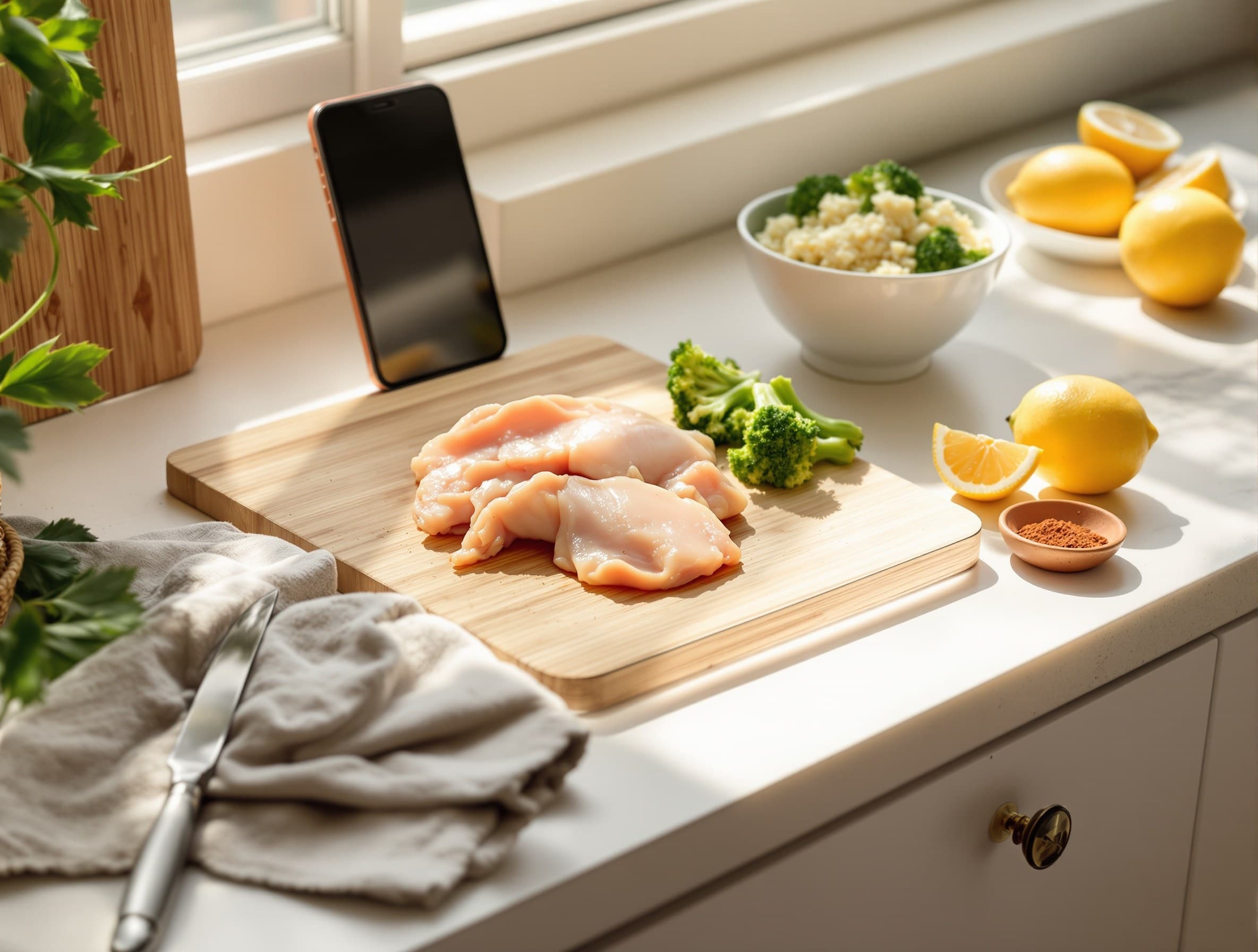
Sick of bulk-prepping four bland chicken breasts? Here are the five cooking apps lifters actually use in 2026, ranked honestly, plus which one builds varied high-protein meals from the one thing in your kitchen.
The best cooking app for the gym crowd in 2026 depends on what you actually want from it. If you are sick of bulk-prepping four chicken breasts and want varied, real high-protein meals built fast from whatever you already have, Pann is the cook-first pick: you tell it one ingredient and it builds the whole meal around it. If you would rather log every gram, MyFitnessPal is still the heavyweight. The honest shortlist below: Pann for cooking variety, MyFitnessPal for tracking, Mealime for clean weekly plans, Strongr Fastr for macro-targeted plans, and Eat This Much for hands-off auto-planning.
There is no single winner because lifters split into two camps: people who want to cook good food and stay full, and people who want a spreadsheet for their body. This roundup ranks five real apps for the first camp, and tells you plainly who each one is wrong for. No app is perfect, so I have flagged the dealbreaker for each.
What "best" actually means for lifters
For the gym crowd the test is not "can it count". Almost everything counts. The test is whether it gets you a high-protein meal you want to eat tonight without the Tupperware graveyard of identical chicken-and-broccoli boxes by Thursday. So I ranked on three things: variety (does every meal taste different), speed (can you cook it in roughly 10 to 15 minutes), and how much friction sits between opening the app and actually eating.
1. Pann: best for varied high-protein meals without bulk prep
Pann is the cook-first option. You tell it the one thing you have, by text or a photo of a single item, and it builds a real meal around it, then walks you through cooking it step by step. Protein shows up as an outcome that keeps you full, not a number you chase. Tell it "chicken and rice" today and you get a garlic-soy rice bowl; tell it the same thing Friday and you get a different build, so nothing tastes like Monday reheated. That is the whole point for people who hate repetitive prep.
Portions are sized to your goal in the background, no counting. Where it is honestly the wrong tool: if you want to track macros to the gram and watch a running total, Pann deliberately does not do that. It is a cook, not a ledger. Macro obsessives should look at the next entry instead.
2. MyFitnessPal: best if you want to log every gram
MyFitnessPal is the granddaddy of tracking: an enormous food database, a barcode scanner, and precise daily logging. If you are deep in a cut and need to hit your protein and calories within a tight margin, nothing beats it for accuracy. The dealbreaker for our use case: it does not tell you what to cook. You still stand in front of the fridge with no idea, then log it after the fact. It is a measuring tape, not a chef.
3. Mealime: best for clean weekly meal plans
Mealime was genuinely good at tidy weekly planning: pick recipes, get an organised grocery list, filter for diets and allergies, cook in around 30 minutes. It closes on 21 October 2026, and even before that the dealbreaker for lifters was that it is rigid. You cook from its catalogue, not from the chicken thigh already defrosting on your counter, and its protein targeting is light. Great for organised weekly shoppers, less great for "I have this one thing, what now".
4. Strongr Fastr: best for macro-targeted plans
Strongr Fastr is built by and for lifters. It generates meal plans aimed at your macro targets, hits a protein goal across the day, gives you a grocery list, and lets you swap meals you do not fancy. If you want a structured plan that respects your numbers, it earns its spot. The dealbreaker: the interface is utilitarian and a bit dated, and you are committing to a plan rather than cooking on a whim. It rewards people who like a system, not people who cook by feel.
5. Eat This Much: best for hands-off auto-planning
Eat This Much auto-generates a full day of meals to hit calorie and macro targets you set, then regenerates anything you dislike. It is the most hands-off of the bunch: set it and a plan appears. The dealbreaker: because it is optimising numbers, the combinations can feel generic or oddly paired, and it leans on you to define targets up front. It is closer to a planning engine than a cooking companion, which suits set-and-forget types but not people who want the cooking to feel good.
The 12-minute chicken and rice test
Here is a real example of a cook-first build, the kind Pann hands you when you say "chicken and rice". It lands a high-protein meal in roughly 12 active minutes, and the ratios actually matter, so here they are exactly:
- Start the rice: rinse 1 cup long-grain white rice, add 1.5 cups water (a 1:1.5 ratio by volume), bring to a boil, cover, simmer low for 12 minutes, then rest 5 minutes off the heat without lifting the lid.
- While it cooks, dice 250g chicken thigh into roughly 2cm cubes and sear in a hot pan with a little oil for 6 to 8 minutes, turning, until the centre reaches 74C / 165F.
- Add 1 tablespoon soy sauce, 1 minced garlic clove, and a splash of rice vinegar; toss for 30 seconds until glossy.
- Pile the chicken on the rice, top with sliced scallion, and add a fried egg if you want it bigger. Thigh stays juicier than breast and forgives an extra minute in the pan.
More fast high-protein ideas (breakfast to snack)
A good gym cooking app covers the whole day, not just dinner. Here are quick, varied builds across every meal that keep protein high without a prep marathon:
- Breakfast: cottage cheese scramble, eggs folded through warm cottage cheese with chives on toast.
- Breakfast: black bean and egg tacos with a squeeze of lime and hot sauce.
- Lunch: tuna and white bean smash on sourdough, lemon, olive oil, plenty of black pepper.
- Lunch: lentil and feta salad with cucumber, red onion, and a quick mustard dressing.
- Dinner: salmon traybake with chickpeas and cherry tomatoes, 18 minutes at 200C / 400F.
- Dinner: steak strips and quick-pickled onion in a wrap, seared 3 minutes a side.
- Snack: Greek yogurt with frozen berries, honey, and a handful of toasted nuts.
- Snack: edamame tossed warm with chilli flakes and flaky salt.
- Fast-read meat thermometer — Takes the guesswork out of chicken. Hit 74C / 165F and you are done, no dry overcooked breast.
- Carbon-steel or nonstick skillet — Gets a real sear on protein in minutes, the difference between a meal and sad boiled chicken.
- Rice cooker or microwave rice — Hands-off carbs so your attention goes to the protein and the sauce.
- A couple of glass containers — For the one base you batch, not five identical bland meals.
Do I need to count macros?
Only if you want to. Trackers like MyFitnessPal and Eat This Much are built around it, so with them, yes. With a cook-first app like Pann, no: it sizes portions to your goal in the background so the protein lands high enough to keep you full without you logging anything. If you genuinely want gram-level numbers (deep cut, a coach asking for them), the realistic move is to cook with one app and track with a dedicated one alongside. They are different jobs.
Is it free?
Mostly freemium. MyFitnessPal, Strongr Fastr, and Eat This Much all have free tiers with paid upgrades for premium features (Mealime did too, until it closes on 21 October 2026). Pann is a paid subscription with a free trial so you can build a few meals before deciding. Honest framing: the free macro trackers are free because the logging is the product and the upsell is more data; cook-first apps charge because the value is the cooking guidance, not your numbers.
Tell Pann one thing ("chicken and rice", "tin of tuna", "leftover steak") and it builds a real high-protein meal around it, sized to your goal in the background, then walks you through cooking it. No four-breast Sunday prep, no logging, a different meal every time. Try it free on iPhone.
Frequently asked questions
What is the best cooking app for the gym crowd?
Pann if you want varied high-protein meals built from the one thing you already have, without repetitive prep. MyFitnessPal if you want gram-level accuracy instead. Strongr Fastr and Eat This Much cover macro-targeted plans and hands-off auto-planning. Mealime is shutting down on 21 October 2026.
How do I eat high protein without a Sunday prep marathon?
Cook the meal, not the week. Chicken and rice is about 12 active minutes: rinsed rice simmered at a 1 to 1.5 ratio for 12 minutes and rested 5, chicken seared alongside. If you do want a head start, batch one neutral base rather than five identical finished meals.
Do I need to count macros to make gains?
Only if you want to. A cook-first app sizes portions to your goal in the background so the protein lands high enough to keep you full, with nothing to record. If you genuinely need gram-level numbers, cook with one app and use a dedicated tracker alongside.
Is MyFitnessPal good for deciding what to cook?
No, and that is not its job. Its huge food database and barcode scanner are excellent for accuracy when you are deep in a cut. But it will not tell you what to make, so you still stand at the fridge with no idea. It is a measuring tape, not a chef.
How fast can I actually cook a high-protein meal?
Roughly 12 active minutes for chicken and rice. Simmer rinsed rice with water at a 1 to 1.5 ratio for 12 minutes and rest it 5. Meanwhile sear 250g diced chicken thigh 6 to 8 minutes to 74C, then toss with soy, garlic and rice vinegar.
Are cooking apps for lifters free?
Mostly freemium. MyFitnessPal, Strongr Fastr and Eat This Much all have free tiers with paid upgrades (Mealime did too, until it closes on 21 October 2026). Pann is a paid subscription with a free trial. The free trackers are free because the logging is the product; cook-first apps charge for the cooking guidance.