
How to Meal Plan a Week Ahead in 20 Minutes
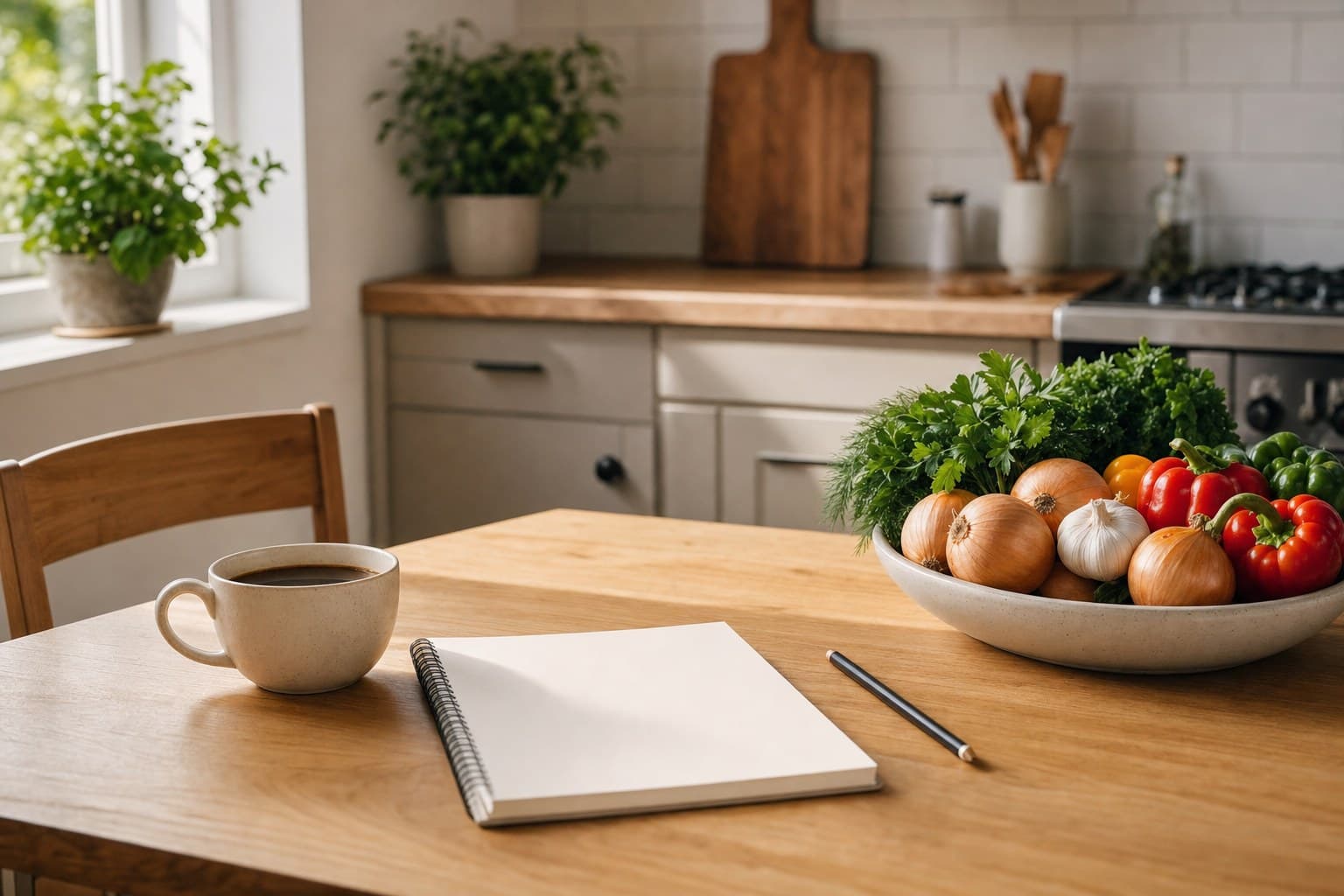
Meal planning sounds like a chore, but a good system takes 20 minutes and saves you the daily what-do-I-cook spiral all week. Here is the exact routine, from filling the slots to one tidy shopping list.
Most people who try meal planning give up because they treat it like a project. They sit down with a blank week, try to design seven perfect dinners from scratch, and lose an hour before they have even reached the shopping list. No wonder it does not stick. Done properly, planning a week of meals is a 20-minute routine you can do over a coffee on a Sunday.
The shift that makes it fast is to stop inventing and start choosing. You are not designing meals from nothing. You are pulling from a short list of things you already know how to cook and slotting them into the week around your real life. Planning is mostly arranging, not creating.
First, Look at the Week You Actually Have
Before you choose a single meal, spend two minutes mapping the week as it really is. A plan that ignores your busy nights falls apart by Tuesday.
- Glance at your calendar and mark the nights you will be rushed, out, or low on energy. Those get the simplest meals.
- Note any meals already decided, like a leftovers night or a planned takeaway, so you do not plan over them.
- Decide how many meals you actually need to cook. It is usually fewer than seven once you count leftovers.
- Check the fridge and freezer for anything that needs using up this week. Those ingredients get first claim on a slot.
Fill the Slots From a Short Go-To List
This is where people freeze up, so make it mechanical. Keep a running list of ten or so meals your household actually likes, and plan straight off it. You can add new things occasionally, but the list is what makes planning fast.
- Match the easiest meals to your busiest nights and save anything involved for a night you have time.
- Aim for variety across the week so you are not eating chicken three days running. Vary the carb and the protein.
- Build in one deliberately flexible night with no fixed plan, for using up odds and ends or ordering in guilt-free.
- Plan to cook once and eat twice where you can, making a bigger batch one night to cover lunch or another dinner.
- Write the meals straight onto the days. Seeing the week filled in is half the relief of planning.
Turn the Plan Into One Shopping List
A plan without a shopping list is just a wish. The point of planning is that you shop once, buy exactly what the week needs, and stop the midweek top-up trips that cost money and waste food.
- Go through each planned meal and jot down what it needs. Work meal by meal so nothing is forgotten.
- Cross off anything you already have. Checking the cupboard now saves buying a third jar of cumin.
- Group the list by where things live in the shop: produce, chilled, tins, dry goods. You will shop in half the time.
- Add the few weekly basics you always run low on, like milk, eggs, or bread, so you do not need a second trip.
- Keep the list on your phone or stuck to the fridge so it is with you when you actually shop.
- A simple notebook or notes app — The plan and the list need a home you will actually look at, whether that is paper on the fridge or your phone.
- A short go-to meals list — Planning fast depends on choosing from meals you already know, not inventing seven dinners from scratch each week.
- Containers for batch nights — Cooking once and eating twice only saves time if you have something to store the second portion in.
How to Make the Habit Stick
The first plan is easy. Keeping it going week after week is the real game. A few small habits make planning automatic rather than a chore you keep dropping.
- Plan the same time every week, like Sunday morning, so it becomes a fixed routine rather than a decision.
- Do not aim for perfect. A rough plan you follow beats a perfect plan you abandon by Wednesday.
- Repeat meals without guilt. Eating the same five or six dinners on rotation is normal and completely fine.
- Keep a flexible night every week so one change of plans does not blow up the whole thing.
- Add new meals slowly, one a fortnight, so your go-to list grows without making planning slower.
- Plan around the calendar, not against it, so the busy nights always get the quickest meals.
- Review what you did not eat last week and roll those ingredients into this week's plan to cut waste.
Tell Pann your cooking rhythm and how many meals you need, and it fills the week from what you like, then turns the plan into one tidy shopping list, quietly sized to your goal. The planning routine, minus the part that feels like work.