
How to Build a Meal Without a Recipe: The 1-2-3 Method
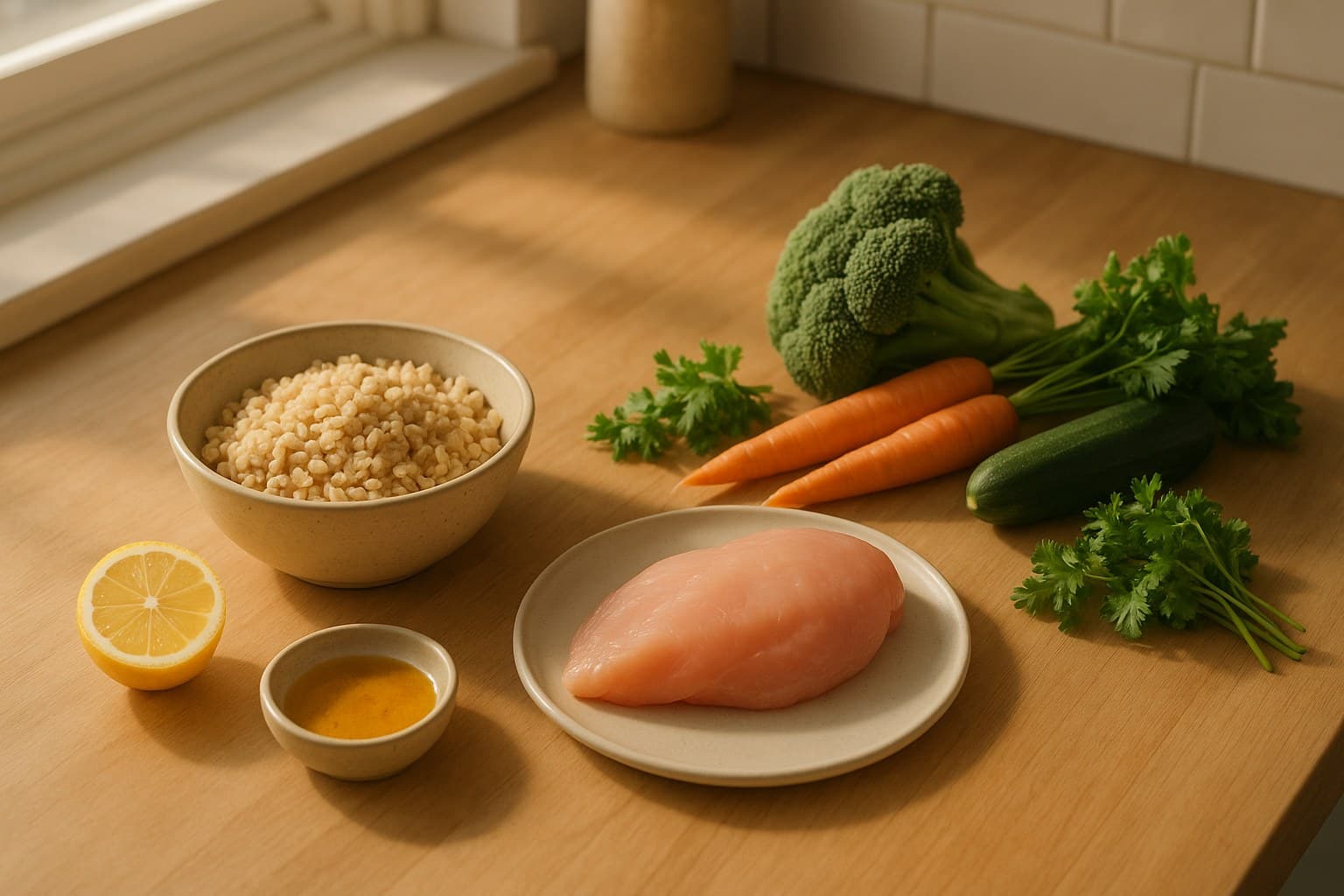
You don't need a recipe to make a real meal. You need a framework. The 1-2-3 method, a protein, a base, and a flavor, turns whatever is in your kitchen into something that actually tastes like a plan.
Recipes are great until the moment you are standing in front of the fridge with chicken, half a bag of rice, and a sad pepper, and none of the recipes you saved match what you actually have. The fix is not a bigger recipe collection. It is learning the shape that almost every good meal shares, so you can build one from whatever is in front of you.
That shape is the 1-2-3 method: one protein, two a base, three a flavor. Get those three slots filled and you have a meal. Everything else is a variation on it. Here is how to use it.
The framework in one line
Almost every satisfying plate is: something with protein, something starchy or leafy to build it on, and something that makes it taste like a specific place or mood. Tacos, stir-fries, grain bowls, pasta, curries, and big salads are all the same three slots wearing different clothes. Once you see it, you stop needing a recipe to start cooking.
1. Pick your protein
This is usually the thing in your fridge with a clock on it: the chicken, the ground beef, the eggs, the block of tofu, the tin of chickpeas or beans. Start here because it anchors the meal and it is the part most worth cooking well. A good sear or roast on this slot carries the whole plate.
Common protein slots, no measuring needed:
- Chicken thighs or breast, seared or roasted
- Ground beef, pork, or turkey, browned hard
- Eggs, fried, scrambled, or jammy and halved
- Beans, chickpeas, or lentils from a tin
- Tofu or tempeh, pressed and pan-crisped
- Canned tuna or salmon for a fast, no-cook option
2. Pick your base
The base is the bulk, the thing that turns a portion of protein into a full meal and soaks up flavor. This is your starch or your greens. It is also the easiest slot to keep stocked, because most of these last for ages in the cupboard or freezer.
- Rice, couscous, or quinoa
- Pasta or noodles
- Bread, tortillas, or a wrap
- Potatoes, roasted or mashed
- A pile of leafy greens or shredded cabbage for a lighter plate
- Whatever frozen vegetables are in the drawer
This slot is also where you quietly steer the meal lighter or heavier depending on how hungry you are or what your day looked like. Big appetite or a hard training day, lean on rice or potatoes. Lighter day, build the same protein on greens instead. Same three slots, different weight.
3. Pick your flavor direction
This is the slot that turns "chicken and rice" into an actual meal with an identity. A flavor direction is just a small combo of sauce, acid, fat, and aromatics that points the plate somewhere. You do not need all of them. You need one acid, one source of richness, and something aromatic.
A few directions you can build from almost any kitchen:
- Mediterranean: lemon, olive oil, garlic, herbs. Works on chicken, beans, or eggs.
- East Asian: soy sauce, a little vinegar, ginger, garlic, sesame oil. Turns anything into a stir-fry.
- Mexican: lime, cumin, chili, coriander. Pairs with beef, beans, eggs, almost anything in a tortilla.
- Creamy and warm: a spoon of yogurt or a splash of cream, garlic, and a warm spice like paprika or curry powder.
- Bright and fresh: a vinaigrette of mustard, vinegar, oil. Lifts a cold-protein salad in seconds.
The non-negotiable in this slot is acid. A squeeze of lemon or lime, a splash of vinegar, a spoon of yogurt: that brightness is what most home cooking is missing. If a plate tastes flat and you cannot say why, it almost always needs acid, not more salt.
Putting it together
Here is the whole method as a flow you can run in your head while the pan heats up:
- Look at what has a clock on it and make that your protein. Season and cook it well.
- Pick a base from the cupboard or freezer, sized to how hungry you are.
- Choose one flavor direction and hit it with an acid at the end.
- Combine, taste, and adjust. Too flat means more acid or salt. Too sharp means a touch of fat or sweetness.
Run that with chicken, rice, and a lemon-garlic-herb direction and you get a Mediterranean bowl. Swap the flavor to soy and ginger and the rice becomes a stir-fry. Keep the chicken, swap rice for a tortilla and lime and chili, and it is tacos. Three slots, endless meals, and not a single recipe required.
Why this beats hunting for recipes
A recipe tells you what to make once. The 1-2-3 method teaches you how meals are built, so you can cook from your actual fridge instead of shopping for a specific list. It works for breakfast just as well, an egg protein, a toast or potato base, a hot-sauce or herb flavor, and it scales to whatever you have on hand. The more you use it, the less you reach for your phone mid-cook, because the structure is already in your head.
Tell Pann the one thing you have, like "chicken and rice," and it fills in the protein, base, and flavor into a real meal sized to you, then cooks it with you step by step. No recipe hunting required.