
What to Cook With a Tin of Chickpeas: 11 Real Meals
A 400 g tin of chickpeas usually drains to about 240 g, which carries roughly 16 to 17 g of protein. Roast them for a crisp snack or salad topper, simmer them into a 15-minute curry or a tomato stew, crush them for sandwiches, or fry them hard with garlic and spinach. The one step that matters is drying them properly before any dry heat.
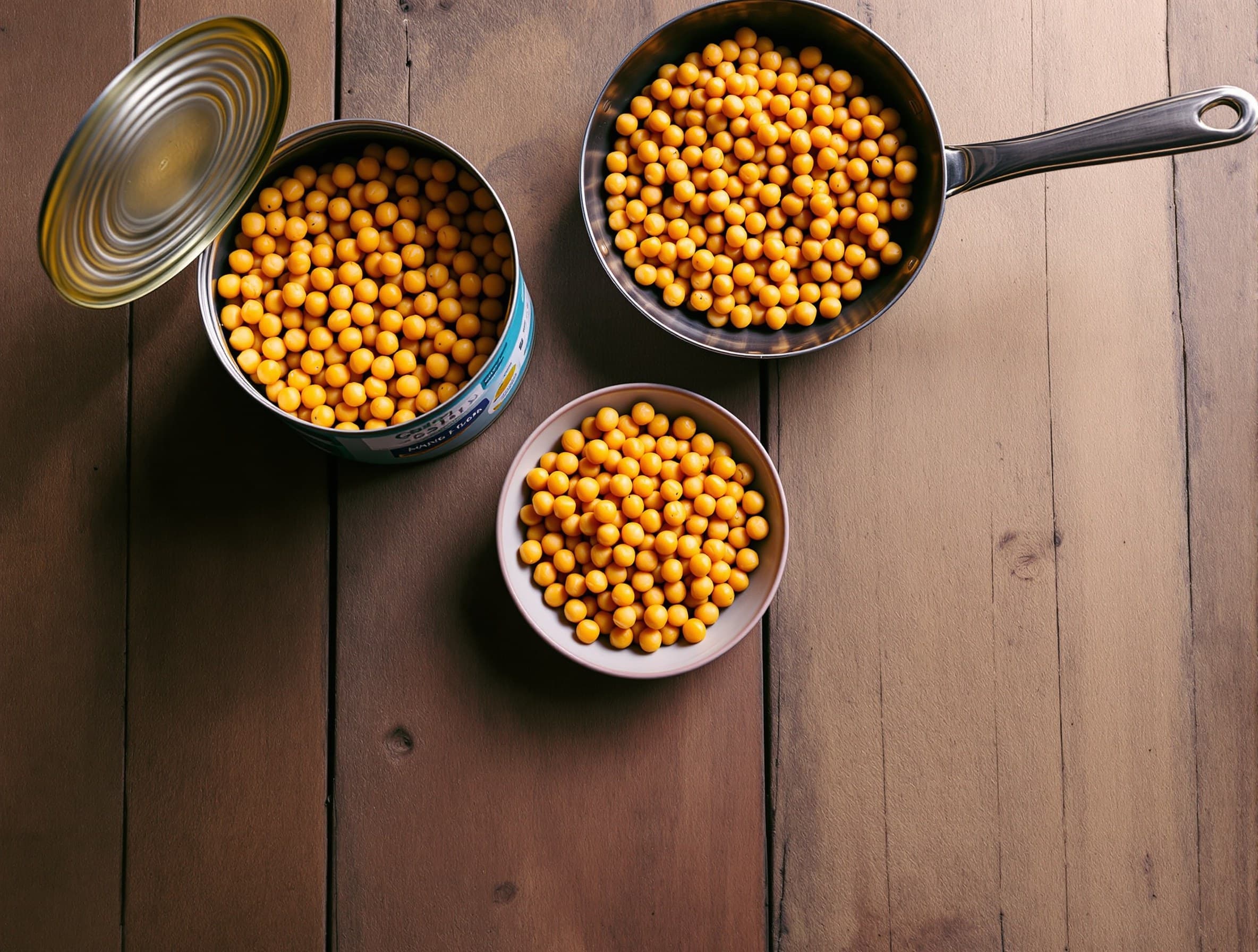
A tin of chickpeas is one of the best things in your cupboard and one of the most wasted. Here are eleven ways to turn it into an actual meal, plus the one step that decides whether they go crisp or soggy.
A tin of chickpeas costs less than a coffee, keeps for years, and is one of the few cupboard items that can carry a whole meal on its own. A 400 g tin usually drains to around 240 g of chickpeas, though the printed drained weight varies a little between brands, and that works out at roughly 16 to 17 g of protein. Call it two and a half eggs, for a fraction of the price of anything in the chilled aisle.
Most people open a tin, tip it into a salad cold, find it dull, and never come back. That is a technique problem, not a chickpea problem. Below are eleven things worth cooking, grouped by how much effort they need, and the two habits that make all of them better.
The Two Habits That Fix Chickpeas
Almost every disappointing chickpea dish comes down to one of these.
- Drain and dry them. Tip the tin into a sieve, rinse under cold water for ten seconds, then roll them around on a tea towel until the outsides look matte. Wet chickpeas steam. Dry chickpeas brown.
- Season them while they are hot. A cold chickpea takes on almost no salt. Straight out of the pan or the oven, they soak it up. Salt, acid, and fat all land better in the first minute.
Three Ideas With No Cooking at All
- Crushed chickpea sandwich: mash the drained tin roughly with a fork, stir in yogurt or mayo, lemon, salt and something sharp like capers or red onion. It goes in a sandwich, a wrap, or on toast, and it holds in the fridge for two days.
- Chickpea and tomato salad: chickpeas, halved cherry tomatoes, red onion, olive oil, red wine vinegar, salt. Let it sit fifteen minutes before eating so the onion softens and the tomatoes give up some juice.
- Five-minute hummus: blitz the tin with a spoon of tahini, a clove of garlic, lemon juice, salt and a splash of the tin liquid. It will not be as smooth as a good shop one, and it will taste considerably better.
The Crispy Route, and Why It Usually Fails
Crispy chickpeas are the best version and the one people give up on. The failure is almost always moisture or crowding.
- Dry them properly. Any water on the surface has to boil off before browning can start, and by then the insides have gone mealy.
- Toss with one tablespoon of oil and salt only. Spices with sugar or paprika burn over a long roast, so add those at the end.
- Spread them in a single layer with space between them. A crowded tray traps steam.
- Roast at 200C fan for 25 to 30 minutes, shaking the tray twice. They are done when they rattle.
- Season the moment they come out, then let them cool on the tray, not in a bowl.
They go on soups, salads and grain bowls, and they are a genuinely good snack. They soften again within a few hours, so make them for the meal you are having, not for the week.
Five Chickpea Dinners Worth Cooking
- Fifteen-minute chickpea curry: fry onion, garlic and ginger, add curry powder, a tin of tomatoes or coconut milk, then the chickpeas. Simmer ten minutes. Serve with rice or bread.
- Chickpeas with spinach and garlic: a Spanish classic. Fry sliced garlic and smoked paprika in plenty of oil, add the drained chickpeas, let them catch a bit of colour, then wilt in a bag of spinach.
- Chickpea and chorizo stew: chorizo, onion, a tin of tomatoes, chickpeas, a bay leaf. Twenty minutes and it tastes like it took an hour.
- Chickpea pasta: not the dried lentil pasta from the health aisle, but chickpeas simmered into a garlicky tomato sauce and tossed through short pasta with plenty of the starchy cooking water.
- Sheet pan chickpeas and vegetables: whatever roots or brassicas you have, one tray, chickpeas added for the last twenty minutes so they crisp while everything else finishes.
Three For Breakfast and the Lunch Box
- Chickpea shakshuka: add a drained tin to the tomato base before you crack the eggs in. It turns a light breakfast into one that holds until the afternoon.
- Chickpeas on toast: warm them through with garlic, chilli and a squeeze of lemon, then pile them on toast with yogurt. Ten minutes, and better than it sounds.
- Lunch box grain bowl: chickpeas, a cooked grain, a raw crunchy thing, a dressing. It survives a bag and a morning in a way a leaf salad does not, which our lunch box ideas for work guide goes into properly.
Dried Versus Tinned, Honestly
Dried chickpeas cooked from scratch are better. They hold their shape, the texture is creamier, and the cooking liquid is a stock in its own right. They also need an overnight soak and an hour or more of simmering, which is why almost nobody does it on a Tuesday. Boiled-from-dried chickpeas do test higher in protein per 100 g, but that gap is mostly water content rather than a difference in food quality.
Use tinned for weeknights without apology. Cook a big pot of dried ones on a quiet weekend if you feel like it, and freeze them in their liquid in portions. If you are cooking to a budget more generally, our cooking on a budget guide covers the rest of the cupboard, and what to cook with canned beans picks up where this one stops.
Turning a Tin Into Dinner
The pattern under all eleven is the same: chickpeas plus a fat, plus something acidic, plus one strong flavour. Oil, lemon, garlic. Coconut milk, lime, curry powder. Tomato, vinegar, smoked paprika. Get those three in and the tin does the rest.
Tell Pann you have a tin of chickpeas and it builds the meal around it, sized to your goal, then walks you through it, instead of handing you twenty recipes to read.
Frequently asked questions
How much protein is in a tin of chickpeas?
A 400 g tin usually drains to around 240 g of chickpeas, carrying roughly 16 to 17 g of protein. Be careful reading the label: many tins print nutrition per 100 g as sold, including the brine, so multiplying that figure by the drained weight understates the protein.
Do you need to rinse chickpeas from a tin?
Yes for anything crisp, roasted or fried, because the starchy tin liquid stops browning and tastes faintly metallic. For a stew or a soup you can add the liquid deliberately, since it thickens the sauce. Rinsing lowers the sodium and leaves the protein essentially untouched.
Why are my roasted chickpeas not crispy?
Almost always moisture or crowding. Dry them on a towel until the surfaces look matte, use a single layer with gaps, and give them a full 25 to 30 minutes at 200C fan. They are ready when they rattle on the tray.
Can you eat chickpeas straight from the tin?
Yes. Tinned chickpeas are already cooked, so they are safe cold. Rinse them first and season them well, because unseasoned cold chickpeas are exactly where their bad reputation comes from.
How long do cooked chickpeas keep in the fridge?
Three to four days in a sealed container. Once dressed with oil and acid they are better on day two than day one, so a chickpea salad is a genuinely good thing to make ahead.